Source Computerized Double Warp Yarn Feeder for Weaving, Knitting, Garment
Compare 23 computerized double warp yarn feeder options for weaving, knitting, and garment manufacturing. These units support circular and warp knitting methods with customization available for various machinery needs; compare the available evidence and request quotations based on your requirements.
Key considerations
Products List


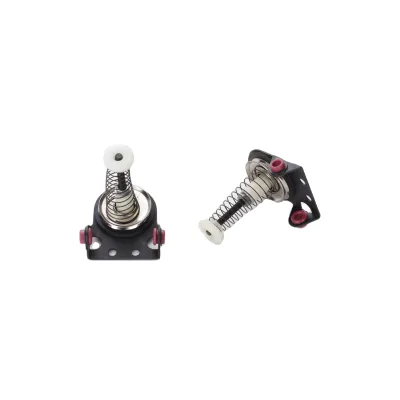


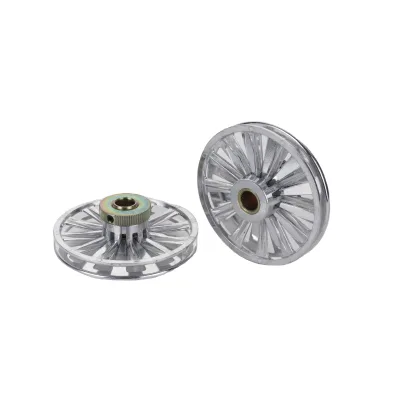
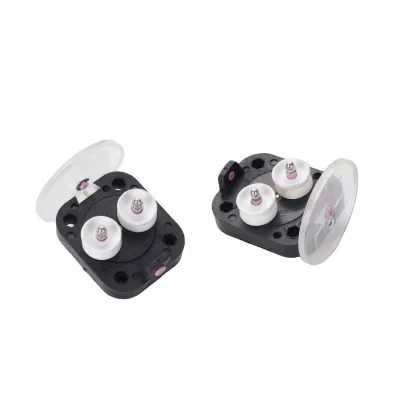

Comprehensive Sourcing Guide
Computerized Double Warp Yarn Feeder Sourcing Guide
Sourcing computerized double warp yarn feeders requires a nuanced understanding of modern knitting machinery components, particularly for circular knitting applications. These devices are critical for maintaining consistent yarn tension and flow, ensuring high-quality fabric production in automated environments. Buyers must distinguish between general threaded parts and specialized electronic or mechanical feeders that interface directly with computerized control systems. The market offers various models, including those designed for specific needle bar styles and knitting methods, such as single or warp knitting configurations. Understanding these distinctions is vital for selecting the correct component that matches existing machinery specifications.
The procurement process involves evaluating suppliers who offer customization options and provide detailed technical documentation. Many manufacturers in China, particularly from regions like Guangdong, specialize in producing these intricate parts with high precision. Buyers should verify whether the feeders are compatible with their specific machine types, such as circular knitting machines or weaving equipment. Additionally, assessing the supplier’s ability to provide video technical support and outgoing inspections can significantly reduce the risk of receiving non-conforming goods. This guide outlines the key considerations for sourcing these essential components effectively.
Product Scope and Observed Listing Signals
The observed product listings indicate a diverse range of yarn feeders, including models like the 5LF20-01T and 5PF20-K1TV, which cater to different voltage requirements such as 6.3V, 12V, and 24V. These specifications suggest that the feeders are integrated into electronic control systems, requiring careful matching with the power supply of the target knitting machine. The presence of both plastic and metal processing attributes highlights the varied material compositions used in these components, with some parts being purely mechanical while others involve electronic elements. Buyers must carefully review the product model numbers to ensure compatibility with their specific machine setups.
Listing signals also reveal that many suppliers offer customization services, allowing for tailored solutions to specific production needs. The MOQ of 30 PCS and lead time of 15 days are common commercial terms, indicating a balance between inventory management and production efficiency. Packaging details, such as carton boxes with specific dimensions, suggest that these parts are handled with care to prevent damage during transit. The weight variations, ranging from 0.003 kg to 68.000 kg, further emphasize the need for accurate logistical planning. Buyers should use these signals to narrow down their supplier options based on their immediate operational requirements.
Technical Specifications to Verify
Verifying the technical specifications of computerized double warp yarn feeders is crucial for ensuring seamless integration with existing knitting machinery. Buyers should confirm the needle bar style, such as circular knitting machine compatibility, and the knitting method, whether single or warp, to avoid mismatches. The type of needle, such as latch needles, and the knitting product type, like underwear, can also influence the choice of feeder. Additionally, the voltage requirements, including 6.3V, 12V, and 24V options, must be matched precisely with the machine’s power system to prevent operational failures.
The material composition and processing type are also key technical aspects to verify. Some feeders are made from plastic, while others involve metal processing, affecting durability and performance. The classification as threaded parts or centerline yarn feeders indicates different functional roles within the machine. Buyers should request detailed technical drawings or specifications from suppliers to ensure that the feeders meet the exact dimensional and functional requirements of their production lines. This verification step is essential for maintaining high-quality fabric output and minimizing downtime.
Compliance and Safety Documentation
Compliance and safety documentation are often limited in the current market listings, with machinery test reports frequently marked as not available. Buyers must proactively request any available quality certifications or safety data sheets from suppliers to ensure that the components meet international standards. The absence of detailed test reports does not necessarily indicate poor quality, but it does require buyers to conduct their own due diligence. Verifying the supplier’s adherence to manufacturing standards and their ability to provide video outgoing-inspections can help mitigate risks associated with non-compliant products.
Warranty terms, such as the 3-month warranty offered by some suppliers, provide a layer of protection for buyers. However, the limited after-warranty service, typically restricted to video technical support, means that buyers should have internal technical expertise to handle potential issues. It is advisable to establish clear communication channels with suppliers for troubleshooting and to understand the scope of support provided. Buyers should also consider the implications of the warranty period on their maintenance schedules and budget for potential repairs or replacements beyond the warranty term.
Cost Drivers and Commercial Terms
Cost drivers for computerized double warp yarn feeders include the complexity of the electronic components, the material used, and the level of customization required. Suppliers offering high-quality, computerized feeders with specific voltage options may command higher prices due to the precision engineering involved. The MOQ of 30 PCS and the lead time of 15 days are standard commercial terms that influence inventory costs and production planning. Buyers should negotiate these terms based on their volume requirements and production schedules to optimize cash flow and operational efficiency.
Packaging and shipping costs are also significant factors, with carton boxes of specific dimensions affecting logistics expenses. The weight variations, from lightweight plastic parts to heavier metal components, further impact shipping costs. Buyers should consider the total landed cost, including duties and handling fees, when evaluating supplier quotes. Additionally, the availability of customization services may incur additional charges, so buyers should clarify these costs upfront. Understanding these commercial terms helps buyers make informed decisions and avoid unexpected expenses during the procurement process.
Supplier Qualification and Quality Control
Supplier qualification is a critical step in sourcing computerized double warp yarn feeders, given the specialized nature of these components. Buyers should prioritize suppliers who provide video outgoing-inspections and have a track record of delivering high-quality products. The presence of a brand name, such as HUAFANG, can indicate a level of reliability and consistency in manufacturing. However, buyers should also verify the supplier’s production capabilities, including their use of wire cutting and metal processing techniques, to ensure they can meet the required specifications.
Quality control measures, such as the provision of machinery test reports, are often lacking, so buyers must implement their own quality assurance protocols. Receiving samples before placing bulk orders can help verify the product’s performance and compatibility. Buyers should also establish clear quality standards and inspection criteria with suppliers to ensure that the feeders meet their expectations. Regular communication and feedback loops can help maintain quality consistency and address any issues promptly, ensuring a smooth procurement process.
Long-Term Procurement Checks
Long-term procurement checks involve monitoring supplier performance and product reliability over time. Buyers should track the frequency of defects, warranty claims, and technical support responsiveness to assess the supplier’s overall reliability. The 3-month warranty period is a short window, so buyers should evaluate the long-term durability of the feeders and their impact on production efficiency. Regularly reviewing supplier performance against established KPIs can help identify potential issues early and facilitate timely corrective actions.
Building a strong relationship with suppliers can also lead to better pricing, priority service, and access to new product developments. Buyers should consider diversifying their supplier base to mitigate risks associated with single-source dependencies. Regular audits and site visits, if feasible, can provide deeper insights into the supplier’s manufacturing processes and quality control systems. By maintaining a proactive approach to supplier management, buyers can ensure a stable and efficient supply chain for their computerized double warp yarn feeders.
FAQs
What is the lead time for computerized double warp yarn feeders?
The standard lead time is 15 days for these computerized double warp yarn feeders. This duration applies to new items processed with material supplied. Buyers should note that customization is available, which may affect the final delivery schedule depending on specific requirements.
Can I get these yarn feeders with custom specifications?
Yes, customization is available for these computerized double warp yarn feeders. The products are classified as threaded parts and can be tailored to specific needs. However, some items are also listed as non-customized, so buyers must verify the specific model requirements before ordering.
What is the minimum order quantity for these parts?
The minimum order quantity is 30 pieces for these computerized double warp yarn feeders. This MOQ applies to the standard packaging which typically contains 15 pieces per box. Buyers should plan their orders accordingly to meet this threshold for a successful transaction.
Which machine types are compatible with these yarn feeders?
These computerized double warp yarn feeders are designed for circular knitting machines and weaving equipment. They specifically support single knitting methods and latch needle styles. The units are suitable for producing underwear and other garment applications using warp knitting techniques.
What warranty is provided for the computerized yarn feeders?
A three-month warranty is provided for these computerized double warp yarn feeders. After warranty service, video technical support is available to assist with any operational issues. Buyers should keep the product in new condition to ensure full coverage during the warranty period.
How are these yarn feeders packaged for shipment?
The products are packaged in carton boxes or paper boxes depending on the specific model. The single package size is approximately 10.5 by 12.5 by 18.5 cm. Each box typically contains 15 pieces, and the overall shipping standard dimensions are 20 by 30 by 40 cm.
What material is used to manufacture these feeders?
These computerized double warp yarn feeders are manufactured using plastic materials. The lightweight design ensures a weight of only 0.003 kg per unit. Despite the plastic construction, the parts are processed through metal processing techniques to ensure high quality and durability.